
DESIGNVADMarc Vadurel
Senior Product Designer & Design Engineer
Design System RATP.
Creating a shared language to unify eight of business applications.
When I joined the project, each squad was designing interfaces independently, leading to major UX/UI inconsistencies and significant design debt across the ecosystem.
My role was to help define the foundation of a Design System that could align teams, improve consistency, and accelerate product delivery.
Unifying a heterogeneous landscape
The first step was to understand the complexity of the ecosystem.
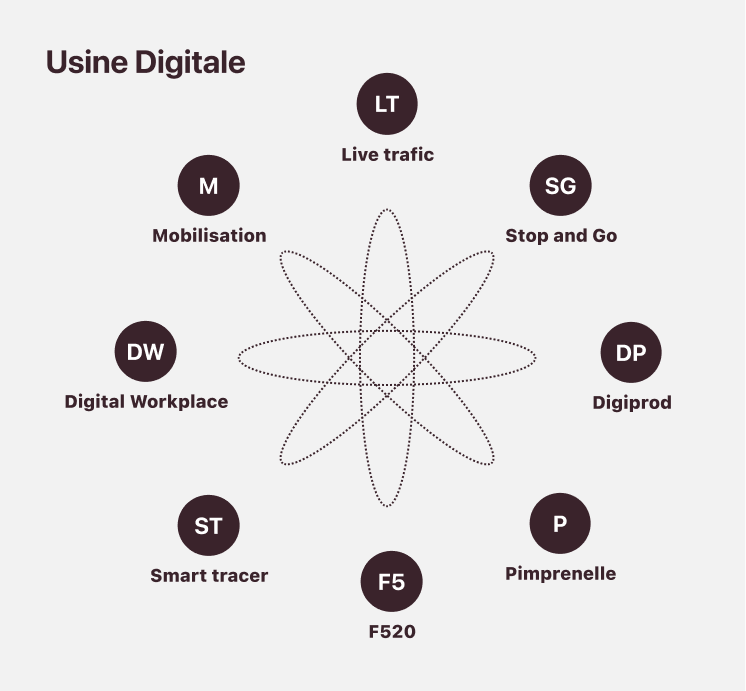
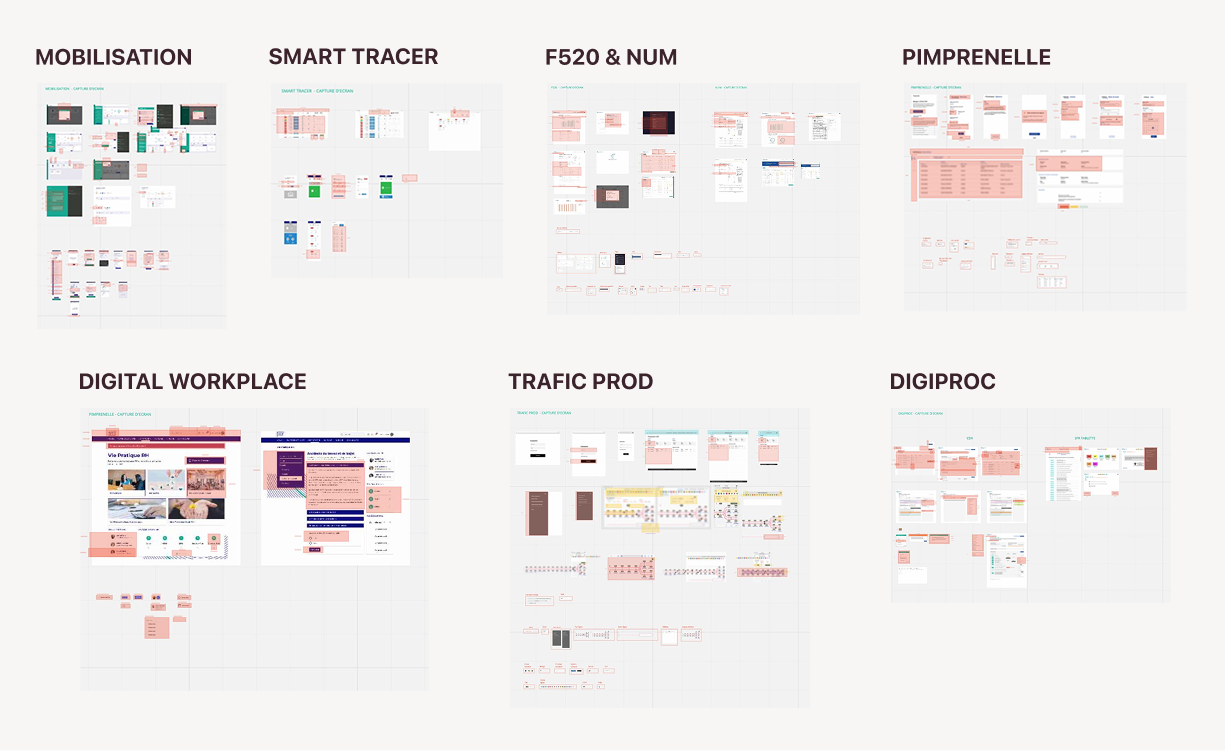
I conducted a strategic analysis of 8 internal business applications, mapping existing UI patterns and squad practices.
This work helped identify key inconsistencies and define the objectives of the Design System:
• visual consistency
• faster product delivery
• stronger brand cohesion
Aligning 32 stakeholders
Design systems only succeed when teams adopt them.
I facilitated 7 workshops bringing together designers, developers, and product stakeholders to co-create the foundations of the system.
These sessions helped align 32 stakeholders around a shared visual language and a common approach to UI design
3 levels of Design System maturity
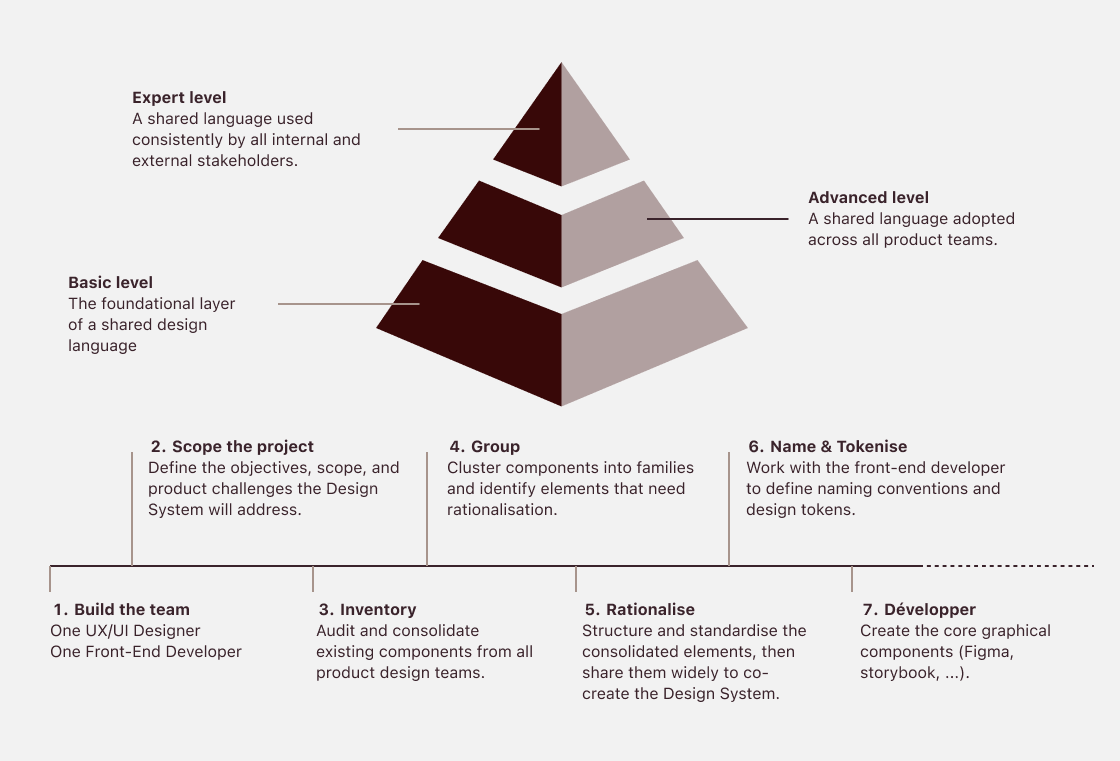
To structure the initiative, I defined a Design System maturity model.
Level 1 → UI consistency
Level 2 → Reusable components
Level 3 → Shared product language and scalable system
This framework helped teams understand the long-term vision and progressively adopt the system.
The core foundation
The Design System was built on five fundamental pillars:
Colors
Typography
Size & spacing
Iconography
Naming conventions
These elements formed the universal foundation used across the ecosystem.
MVP delivered in 8 weeks
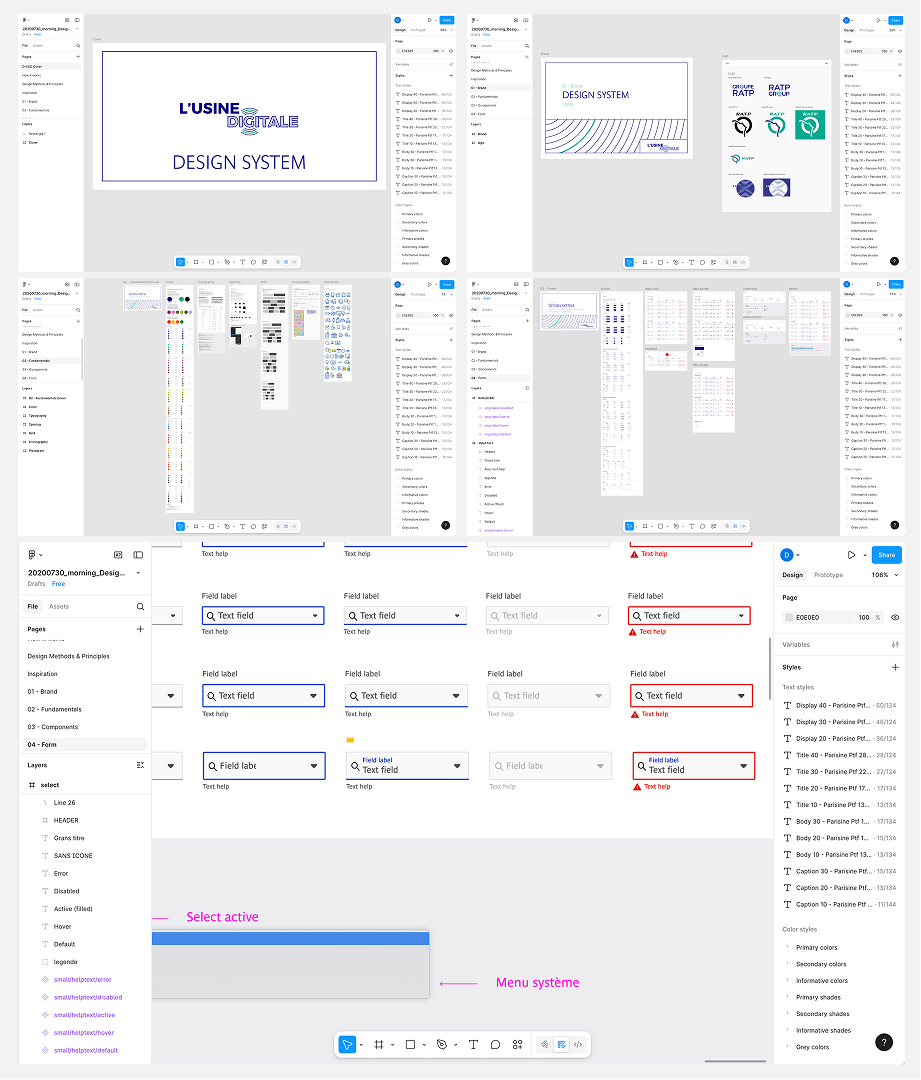
The initial Design System foundation was delivered in 8 weeks.
It included:
• a structured Figma library
• reusable UI components
• clear design guidelines
This first release helped eliminate major UI inconsistencies and provided a shared foundation for future product development.
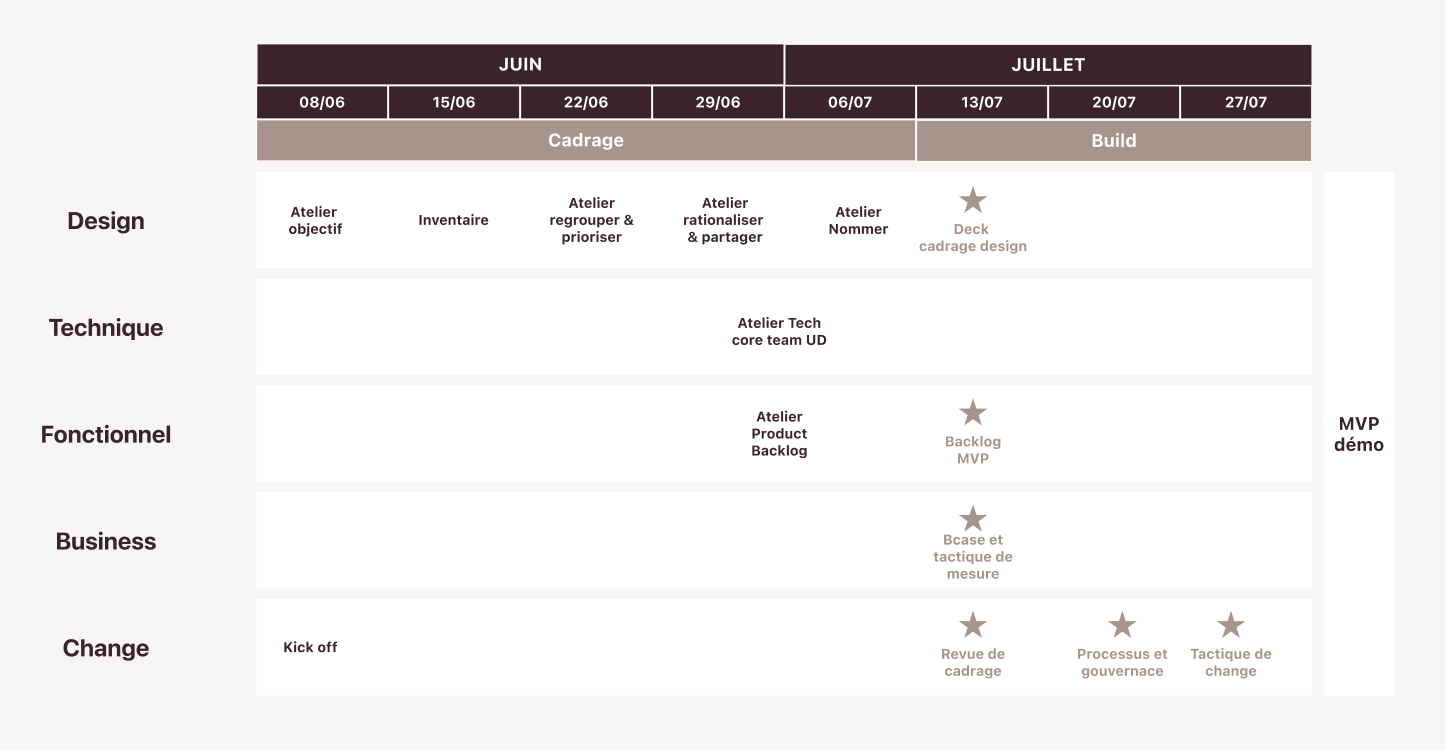
The Full Scope
Harmonizing 8 of business applications required more than a visual framework.
The Design System was built as a shared language across teams, supported by a collaborative governance model where product squads could propose components that were reviewed and integrated into the system.
This approach improved consistency, reduced design debt, and accelerated product delivery across the ecosystem.


Design Engineering & AI Workflow
Commercial Real Estate Platform
Design System
E-commerce
Real Estate Platform
Kids Website
Business application
Crowdfunding platform
E-magazine
Digital banking platform
Brand website
Government portal
Web documentary
Brand website
E-commerce
Event website
Client Logo Projects

Illustrations